
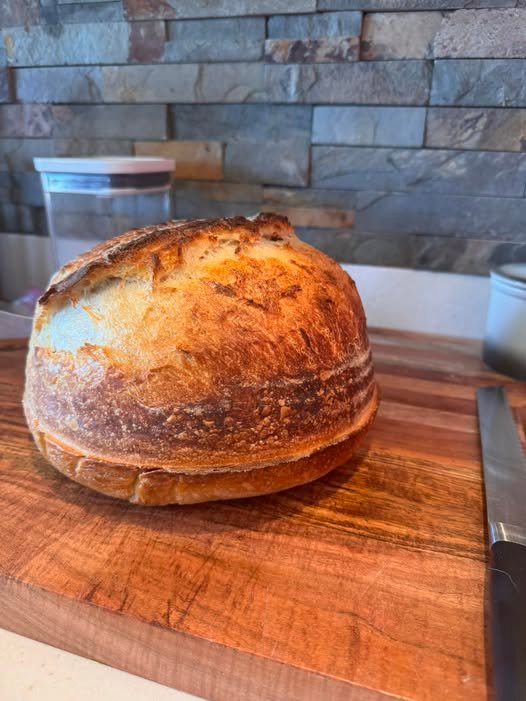
There is something deeply comforting about baking bread at home, especially when it’s Unloaf Sourdough Bread: Rustic, Crusty, and Naturally Fermented. I still remember the first time I pulled a golden, crackly loaf out of my oven—the smell filled my kitchen and instantly made the whole day feel special.
This recipe is not just about baking bread. It’s about slowing down, enjoying the process, and creating something wholesome with your own hands. Unlike store-bought bread, this sourdough is naturally fermented, which means it’s easier to digest and often healthier. Plus, that crispy crust and soft, chewy inside? Absolutely worth it.
If you’re new to baking, don’t worry. This guide keeps things simple and friendly, so you can confidently make your own Unloaf Sourdough Bread: Rustic, Crusty, and Naturally Fermented at home.
Why You Will Love This Recipe
- Amazing flavor: Slightly tangy, rich, and deeply satisfying
- Healthy choice: Naturally fermented and easier on the stomach
- Simple ingredients: No fancy items needed
- Beginner-friendly: Clear steps make it easy to follow
- Beautiful texture: Crispy crust with a soft, airy center
Ingredients List
Here’s everything you need to make Unloaf Sourdough Bread: Rustic, Crusty, and Naturally Fermented:
- 3 cups (360g) all-purpose flour or bread flour
- 1 cup (240ml) lukewarm water
- ½ cup (120g) active sourdough starter
- 1 teaspoon salt
That’s it! Just four basic ingredients.
Step-by-Step Instructions
Step 1: Mix the Dough
In a large bowl, combine flour and water. Mix until no dry flour remains. Cover and let it rest for 30 minutes. This step helps the dough become soft and easier to handle.
Step 2: Add Starter and Salt
Add your sourdough starter and salt to the dough. Mix well using your hands or a spoon until everything is fully combined.
Step 3: Stretch and Fold
Instead of kneading, gently stretch and fold the dough every 30 minutes for about 2 hours. This helps build strength in the dough without much effort.
Tip: Wet your hands slightly to prevent sticking.
Step 4: First Rise (Bulk Fermentation)
Cover the bowl and let the dough rise at room temperature for 4–6 hours. It should look puffy and slightly bubbly.
Step 5: Shape the Dough
Turn the dough onto a lightly floured surface. Shape it into a round loaf. Don’t worry about perfection—rustic is the goal here.
Step 6: Second Rise
Place the shaped dough into a floured bowl or proofing basket. Cover and let it rest for another 1–2 hours, or overnight in the fridge for better flavor.
Step 7: Bake
Preheat your oven to 230°C (450°F). Place a covered pot (like a Dutch oven) inside to heat up.
Carefully place the dough into the hot pot, score the top with a knife, cover, and bake for 20 minutes.
Remove the lid and bake for another 20–25 minutes until golden brown.
Step 8: Cool Before Slicing
Let your bread cool completely before cutting. This keeps the texture perfect inside.
Pro Tips & Variations
- Use bread flour for a chewier texture
- Don’t rush fermentation—it builds flavor
- If your dough feels sticky, that’s normal for sourdough
- Add seeds (like sesame or sunflower) for extra crunch
- For a softer crust, wrap the bread in a towel after baking
Common mistakes to avoid:
- Using inactive starter
- Skipping resting times
- Cutting bread while it’s still hot
Health Benefits Section
One of the best things about Unloaf Sourdough Bread: Rustic, Crusty, and Naturally Fermented is its natural health benefits.
- Easier digestion: The fermentation process breaks down gluten
- Better nutrients: Helps your body absorb minerals more easily
- No additives: Just simple, clean ingredients
- Lower glycemic index: Helps maintain stable energy levels
It’s a great choice if you want a more natural and wholesome bread in your daily diet.
Serving Suggestions
This bread is incredibly versatile. Here are some simple ways to enjoy it:
- Toast it with butter and honey for breakfast
- Pair it with soup or stew for a cozy meal
- Use it for sandwiches
- Serve with olive oil and herbs as a snack
- Enjoy it fresh with cheese or eggs
Honestly, even a plain slice of Unloaf Sourdough Bread: Rustic, Crusty, and Naturally Fermented tastes amazing on its own.
Storage Tips
- Room temperature: Keep in a cloth bag or bread box for up to 2 days
- Refrigerator: Store for up to 5 days (though it may dry out slightly)
- Freezer: Slice and freeze for up to 2 months
Tip: Toast frozen slices directly—no need to thaw!
Frequently Asked Questions (FAQs)
1. Can I make sourdough without a starter?
No, the starter is essential for fermentation. You can make one at home with flour and water.
2. Why is my bread dense?
It may not have risen enough, or the starter was not active.
3. Can I use whole wheat flour?
Yes, but the bread will be denser. You can mix it with white flour for better texture.
4. How do I know when it’s fully baked?
Tap the bottom—it should sound hollow.
5. Is sourdough gluten-free?
No, but it may be easier to digest for some people.
Conclusion
Making Unloaf Sourdough Bread: Rustic, Crusty, and Naturally Fermented at home is a rewarding and calming experience. It may take a little time, but the result is a beautiful, flavorful loaf that you can truly be proud of.
Once you try it, you’ll see how simple ingredients can create something so special. So grab your flour, trust the process, and enjoy every step of baking your own sourdough bread.
Leave a Reply