
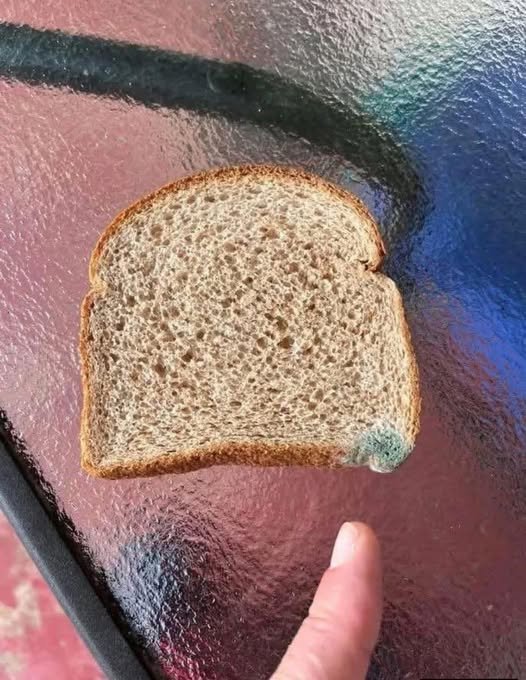
If you love baking or buying sourdough, you probably know how special it is. But there’s one problem many of us face—bread going bad too quickly. That’s why learning How to Prevent Mold on Sourdough Bread (Easy Storage Tips) can really save your time, money, and effort.
I still remember baking a beautiful sourdough loaf after hours of waiting, only to find small mold spots just two days later. It felt so disappointing. That’s when I started learning better storage habits, and honestly, it made a huge difference.
Sourdough bread is naturally healthier than regular bread. It is easier to digest and contains beneficial bacteria from fermentation. But because it has no preservatives, it can develop mold faster if not stored properly.
In this guide on How to Prevent Mold on Sourdough Bread (Easy Storage Tips), I’ll share simple and practical methods that anyone can follow at home.
Why You Will Love This Guide
- Save your bread longer: Keep sourdough fresh for days
- Easy tips: No complicated methods or tools needed
- Beginner-friendly: Anyone can follow these steps
- Reduce waste: No more throwing away moldy bread
- Health-safe advice: Learn what’s safe and what’s not
Ingredients List (What You Need for Proper Storage)
This is not a cooking recipe, but you still need a few simple things:
- 1 loaf sourdough bread (freshly baked or store-bought)
- 1 clean cotton cloth or kitchen towel
- 1 paper bag or bread box
- 1 airtight container (optional)
- Freezer bags (for long storage)
Step-by-Step Instructions
Step 1: Let the Bread Cool Completely
Always let your sourdough bread cool fully before storing.
If you store it while it’s still warm, moisture builds up inside, which can cause mold.
Tip: Wait at least 2–3 hours after baking.
Step 2: Choose the Right Storage Method
Avoid plastic bags for short-term storage.
Instead, wrap your bread in a clean cloth or place it in a paper bag. This allows airflow and prevents excess moisture.
Step 3: Store in a Cool, Dry Place
Keep your bread in a cool area away from heat and sunlight.
Warm places encourage mold growth, so avoid storing near the stove or windows.
Step 4: Avoid the Fridge (Short-Term)
Refrigeration can dry out sourdough quickly and affect texture.
It doesn’t always stop mold completely and can make your bread hard.
Step 5: Freeze for Long Storage
If you don’t plan to eat the bread within 2–3 days, freezing is the best option.
Slice the bread first, then store it in freezer bags.
Tip: Take out only what you need and reheat.
Step 6: Always Use Clean Hands
When handling bread, make sure your hands are clean and dry.
This prevents bacteria and mold spores from spreading.
Step 7: Check for Mold Regularly
Look for signs like green, white, or black spots.
If you notice any mold, do not eat the bread.
Pro Tips & Variations
- Use a bread box: It helps maintain airflow and keeps bread fresh
- Add a paper towel inside container: Absorbs extra moisture
- Slice before storing: Makes it easier to use later
- Try beeswax wraps: A natural and reusable option
- Store cut side down: Helps prevent drying
Mistake to avoid:
Never store warm bread in a sealed container. This is one of the biggest reasons mold forms quickly.
Health Benefits
Following these How to Prevent Mold on Sourdough Bread (Easy Storage Tips) not only saves your bread but also protects your health.
- Avoid harmful mold: Some molds can be unsafe to eat
- Keep nutrients intact: Proper storage maintains quality
- Reduce food waste: Better for your budget and environment
- Enjoy fresh taste longer: Better eating experience
Sourdough bread itself is a healthier option due to natural fermentation, and storing it properly helps you enjoy those benefits longer.
Serving Suggestions
Once your bread is stored properly, here are some ways to enjoy it:
- Toast slices for breakfast
- Serve with butter or jam
- Use for sandwiches
- Pair with soups or salads
Fresh sourdough always tastes best when handled with care.
Storage Tips
- Room temperature: Best for 2–3 days in cloth or paper bag
- Fridge: Not recommended for short-term use
- Freezer: Up to 2 months when properly sealed
Always reheat frozen bread in the oven or toaster for best results.
Frequently Asked Questions (FAQs)
1. Why does sourdough bread get mold quickly?
Because it has no preservatives and contains natural moisture.
2. Can I cut off mold and eat the rest?
No, it’s not safe. Mold can spread inside even if you can’t see it.
3. Is plastic bag good for storage?
Only for very short time. It traps moisture and can cause mold.
4. How long does sourdough bread last?
Usually 2–3 days at room temperature, longer if frozen.
5. What is the best way to store sourdough bread?
Wrap in cloth or paper and keep in a cool, dry place.
Conclusion
Learning How to Prevent Mold on Sourdough Bread (Easy Storage Tips) can make a big difference in your daily kitchen routine. With just a few simple habits, you can keep your bread fresh, safe, and delicious for longer.
I’ve personally saved so many loaves by following these tips, and I hope they help you too. Sourdough bread takes time and care to make, so it deserves proper storage.
Give these easy tips a try and enjoy fresh, mold-free sourdough every time 😊
Leave a Reply